
A Reflection from the Heart
The Examined Life Before God
When Socratic Questioning Meets Divine Examination
The Question That Launched Two Millennia of Dialogue
“The unexamined life is not worth living.”
Socrates spoke these words in 399 BC before choosing death over abandoning his commitment to truth-seeking. His challenge has echoed through twenty-four centuries of Western thought: human life requires honest self-examination.
But Socrates raised a question he could not fully resolve: Examined by whom? According to what standard? And with what hope beyond exposed ignorance?
Nearly a millennium earlier, the writer of Psalm 139 articulated a radically different approach to self-knowledge:
“Search me, O God, and know my heart;
test me and know my anxious thoughts.
See if there is any offensive way in me,
and lead me in the way everlasting.”
This is not merely ancient poetry. It represents a fundamentally different vision of what honest self-examination entails—and why it might be bearable at all.
This encounter teaches both approaches by guiding you through their application to one belief you hold about yourself. You will experience firsthand how philosophical rigor and theological vulnerability can function as conversation partners rather than competitors in humanity’s long search for truth.
This is an educational encounter, not a devotional exercise or counseling session.
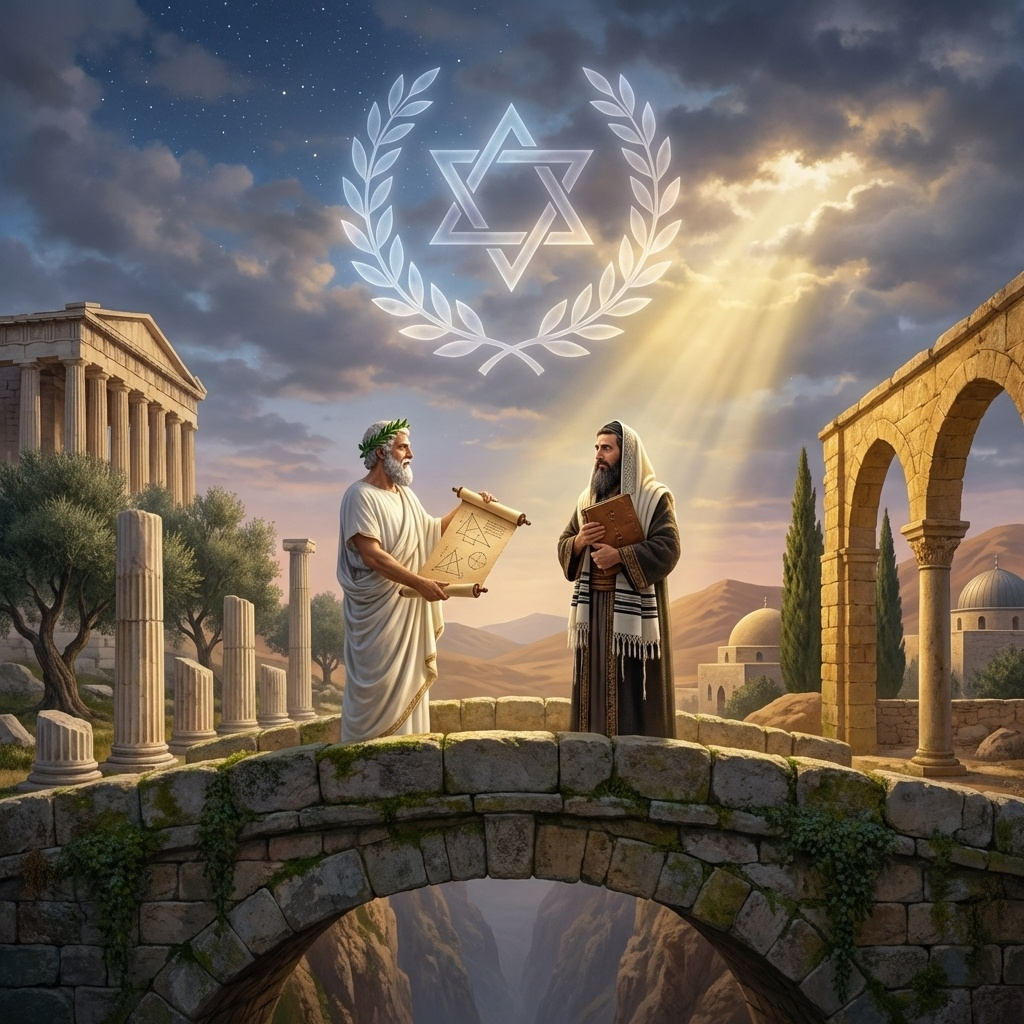
Two Teachers, One Human Challenge
Socrates: The Courage of Intellectual Honesty
Socrates did not found schools or write treatises. He walked the streets of Athens asking precise, relentless questions that exposed how little people truly understood the concepts they claimed to know—justice, courage, virtue, the good life.
His method was deceptively simple:
- Define your terms precisely
- Test beliefs for internal consistency
- Expose hidden assumptions
- Admit what you genuinely do not know
His most famous insight—“I know that I know nothing”—was not despair but intellectual humility. It marked freedom from false certainty.
Socratic examination functions like philosophical archaeology. It uncovers the assumptions beneath our beliefs and reveals how much of what we call “self-knowledge” rests on foundations we have never inspected.
The Psalmist: The Safety of Being Fully Known
The writer of Psalm 139 begins from a different starting point:
“You have searched me, Lord, and you know me…
Before a word is on my tongue you know it completely.”
This is not the distant deity of abstract philosophy. This is a God who sees rationalizations, hidden motives, and carefully curated self-images—and does not withdraw.
Then comes the decisive invitation:
“Search me, O God, and know my heart.”
Here, self-examination is not an act of intellectual conquest but an act of trust. The Psalmist invites examination by One who already knows—and whose knowledge is paired with care.
The Crucial Difference
- Socrates: “I must examine my life through reason and admit my ignorance.”
- The Psalmist: “God, examine my life through love and lead me forward.”
Philosophy exposes false certainty. Theology asserts that exposure need not end in despair. Together, they reveal the human tension between honesty and hope.
What This Encounter Teaches
Most of us live with unexamined beliefs about ourselves:
- “My worth depends on productivity.”
- “I must earn love through performance.”
- “I cannot show weakness.”
- “Approval defines my value.”
They feel like facts—but they are often inherited assumptions shaping how we live and relate.
This AI-guided encounter applies both Socratic questioning and Psalmic examination to one such belief. You will experience:
- The Philosophical Lens: Rigorous questioning that exposes assumptions and contradictions
- The Theological Lens: Vulnerable openness before God, without performance
- The Integration: Discovering how intellectual honesty and spiritual trust illuminate one another
This is comparative wisdom education, with your own life serving as the learning site.
Discover through AI - A Comparative Wisdom Encounter
The Examined Life Before God
What This Encounter Teaches
Most of us live with unexamined beliefs about ourselves:
- “My worth depends on productivity.”
- “I must earn love through performance.”
- “I cannot show weakness.”
- “Approval defines my value.”
They feel like facts—but they are often inherited assumptions shaping how we live and relate.
This AI-guided encounter applies both Socratic questioning and Psalmic examination to one such belief. You will experience:
- The Philosophical Lens: Rigorous questioning that exposes assumptions and contradictions
- The Theological Lens: Vulnerable openness before God, without performance
- The Integration: Discovering how intellectual honesty and spiritual trust illuminate one another