
A Reflection from Comparative Reasoning
Death, the Body, and the Shape of Hope
Death has a way of clarifying things.
When the end feels near, abstractions lose their charm. You don’t argue for fun. You ask what actually lasts. You ask what you’re allowed to hope for.
Both 1 Corinthians 15 and Phaedo meet us there—at the edge of life, with death no longer hypothetical. Each text faces mortality directly. Each refuses denial. And yet the hopes they offer could not point in more different directions.
One imagines death as a release.
The other insists death is an interruption.
Between them lies a question that still shapes how we grieve, how we live, and how we imagine the future.
Socrates at Peace: Death as Escape
Plato’s Phaedo unfolds on Socrates’ final day. His friends are anxious, grieving, afraid. Socrates is… calm. Almost cheerful. To modern ears, unsettlingly so.
Why?
Because for Socrates, death is not a loss—it is a liberation.
The body, he argues, is a kind of philosophical liability. It distracts, deceives, desires. True knowledge belongs to the soul, and the soul does its best thinking when freed from bodily interference. Death, then, is the moment the philosopher has been practicing for all along.
What survives death?
The rational soul.
What is death?
A clean separation.
Hope, in this vision, points upward—away from matter, away from decay, toward a purer, intelligible reality. The best life trains you to loosen your grip on the body now so that death will feel familiar later.
It is elegant. Coherent. Consoling in its own way.
And strikingly unbothered by the fate of flesh.
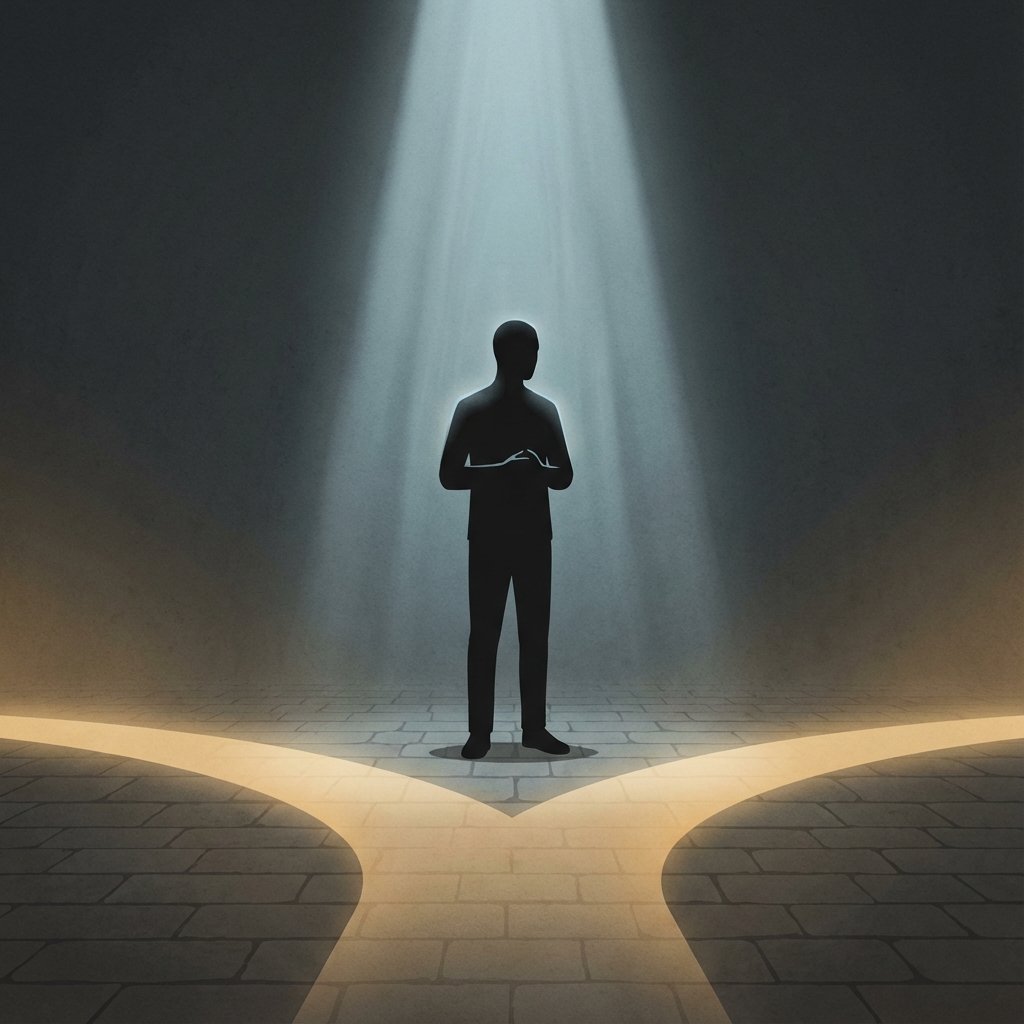
Paul in Defiance: Death as Enemy
Paul’s tone in 1 Corinthians 15 could not be more different.
Here, death is not a gentle release. It is an intruder. An enemy. A power that does not belong. Paul does not reassure his audience by minimizing the body—he doubles down on it.
If there is no resurrection of the dead, he insists, then Christian hope collapses entirely. Faith is futile. Death wins.
What survives death?
Not merely a soul—but the person.
What is promised?
Not escape, but resurrection.
Paul’s hope points forward, not upward. The future is not a return to an immaterial realm but a transformed reality in which bodies—real, recognizable, continuous bodies—are restored, renewed, and made incorruptible.
This is not philosophical detachment. It is stubborn expectation.
Death is not the goal.
Death is the problem.
Two Hopes, Two Postures Toward Life
The contrast cuts deep:
- Phaedo treats the body as something to outgrow
- 1 Corinthians 15 treats the body as something to be redeemed
- One imagines wisdom as learning to die well
- The other imagines hope as refusing to let death have the last word
- One locates meaning in ascent
- The other locates meaning in restoration
These aren’t just theories of the afterlife. They are visions of what this life is for.
Is embodiment a temporary inconvenience—or a permanent good temporarily broken?
Is hope about leaving the world behind—or waiting for it to be made right?
Where the Tension Remains
Neither text allows for easy comfort.
Plato offers serenity, but at the cost of the body’s significance.
Paul offers victory, but only through confrontation—with decay, loss, and the stubborn reality of death.
And the question lingers, unresolved:
When we hope, what are we hoping for?
A cleaner exit?
Or a future where nothing that mattered is finally wasted?
This is not a puzzle to solve.
It is a divergence to notice.
And it still shapes the way we face death—long before it faces us.
Discover through AI
The Threshold of Death
A Guided Journey: Exploring Two Ancient Views on What Happens When We Die
The Threshold of Death is a guided comparison between two ancient texts that face mortality without flinching: Plato’s Phaedo and Paul’s argument in 1 Corinthians 15. Both confront death directly, yet they imagine hope in radically different ways—one as the release of the soul from the body, the other as the resurrection and restoration of embodied life. This experience invites you to slow down and notice that divergence before rushing to conclusions.
Rather than teaching doctrine or defending a position, the guide asks one question at a time, helping you explore what each tradition assumes about the soul, the body, and the future. Is the body something to outgrow—or something worth redeeming? Does hope point upward toward escape, or forward toward renewal? The goal is not agreement, but clarity.
This is not a lesson or a debate. It is a threshold experience—designed to make visible what you already carry into questions of death and hope. You are not asked to choose a side. You are invited to notice what kind of hope feels intelligible, compelling, or troubling—and why.